
Hard Coated Polycarbonate Sheet
Abrasion-resistant surface for panels that get cleaned, touched and handled every day.
Condensation-resistant for at least five years — for cold rooms, food display and viewing windows.
A viewing window that fogs is a window that does not work. Anti-fog polycarbonate carries a treatment that makes condensation spread into a transparent film instead of beading into droplets, so the panel stays see-through across a temperature difference.
Our anti-fog grade is specified to remain effective for at least five years — a figure that matters, because cheap anti-fog treatments are surfactant-based and wash off within months of normal cleaning.
| Property | Specification |
|---|---|
| Anti-fog durability | ≥ 5 years |
| Mechanism | Hydrophilic surface — condensation spreads rather than beads |
| Thickness | 1 mm – 8 mm |
| Widths | 1220 / 1560 / 1820 / 2100 mm (other widths made to order) |
| Combinable with | Hard coating, UV protection, tinting |
| Base properties | Full polycarbonate impact strength and −40 °C to 120 °C range |
Both names describe a hydrophilic surface that makes condensation spread into a clear film instead of beading into droplets, but they are specified for different problems:
| Where it is needed | Why |
|---|---|
| Cold-room and refrigerated display windows | A fogged window hides the product and fails inspection |
| Food and pharmaceutical display covers | Dripping condensation is a contamination and hygiene issue |
| Machine and instrument viewing windows in humid areas | An operator has to read the display through the panel |
| Heated greenhouse glazing | Water running as a film, not dripping onto the crop, lowers disease pressure |
The treatment is a durable surface (rated for at least five years) rather than a wipe-on spray, and it keeps full polycarbonate impact strength and the −40 °C to 120 °C range. It can be combined with hard coating and UV protection. Tell us which face condenses and whether the priority is clarity (anti-fog) or drip control (anti-drip), and we specify the correct side and grade.
Sprays are surfactants that last days to weeks and wash off with the first proper clean. Our treatment is applied in production and specified for five years or more of service.
It manages normal condensation across typical refrigeration and wash-down differentials. Extreme differentials with continuous water contact will overwhelm any anti-fog surface — tell us the conditions and we will say honestly whether it will hold.
Yes, on opposite faces — anti-fog on the cold side, hard coat on the cleaned side is the usual arrangement for display cabinets.
From the factory
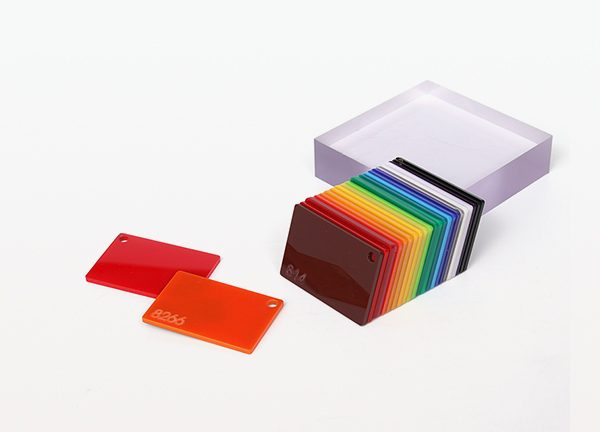
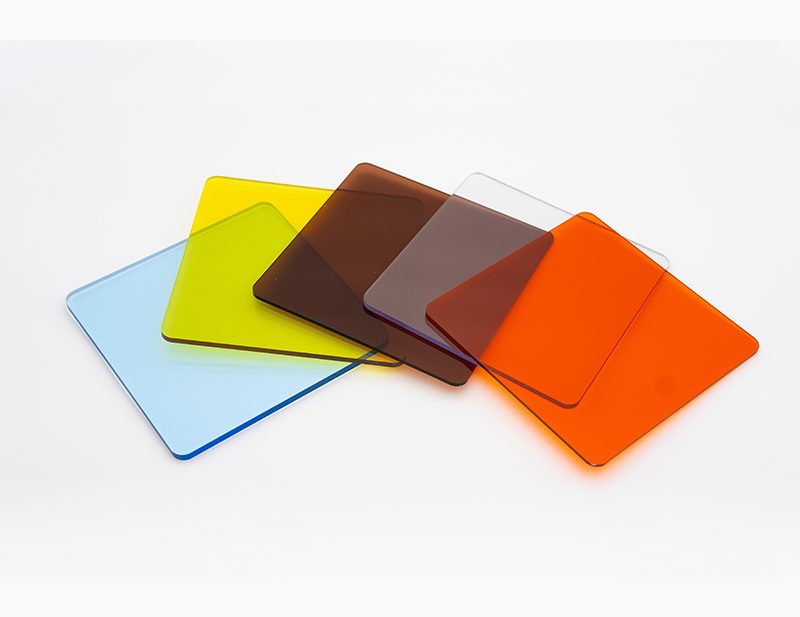
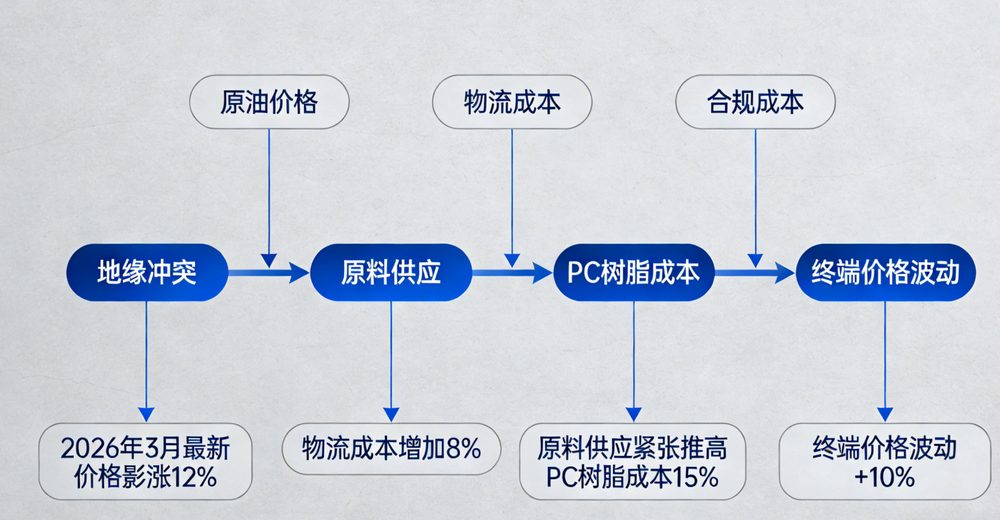
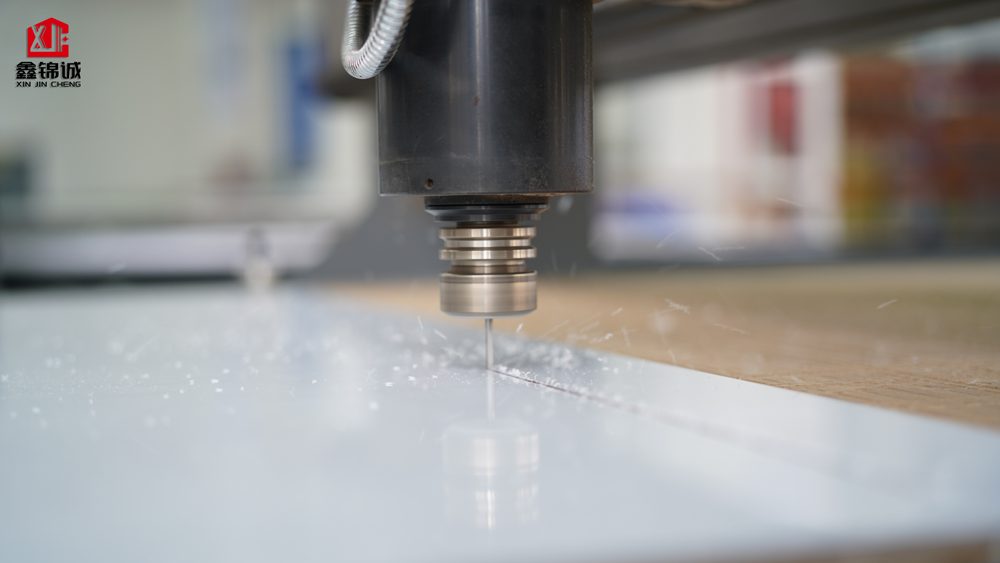
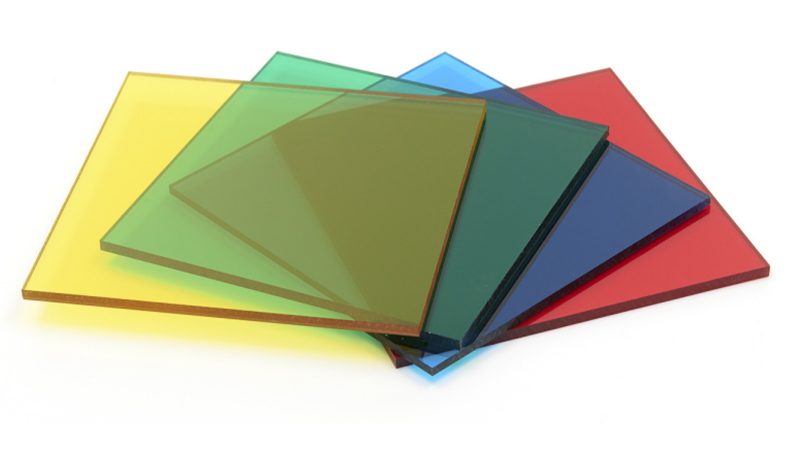
Images show the referenced product, process or application. Ask for a current production sample when colour, finish or fit must be approved.
Where to look next
Abrasion-resistant surface for panels that get cleaned, touched and handled every day.
Horticultural glazing that holds heat, survives hail and diffuses light onto the crop.
Maximum optical clarity with full impact strength — up to 90% light transmission at 3 mm.
Non-standard thickness, width, colour and construction — what we can make, and what we cannot.
Start with a trial order
Thickness, size, colour, quantity — or just upload the drawing. We quote in USD on FOB, CIF or DDP terms, from 100 m² or 1 tonne. No full-container commitment required.