
Clear Acrylic Sheet
Up to 92% light transmission — clearer than glass, half the weight, and it does not yellow.
The fabricator’s grade — machines cleanly, engraves sharply, flame-polishes to an optical edge.
Cast acrylic is a manufacturing route, not a promise that every sheet has the same tolerance or machining result. A useful purchase specification identifies the offered cast grade, nominal thickness and allowed range, colour or optical reference, finished part geometry, machining sequence and inspection method. Approve the edge and bonded area on production-representative material before releasing a volume order.
Cell-cast acrylic is formed by polymerising material between plates; extruded acrylic is formed continuously through a die. The route affects the sheet’s dimensional variation and its response to heat, cutting, polishing, forming and bonding. It does not eliminate grade-to-grade differences.
Ask the quotation to name the production route and product identification rather than using “cast quality” as a loose adjective. If recycled content, colour matching, UV exposure, food contact or another compliance issue matters, request the document that applies to the exact offered grade. A brochure for a well-known acrylic brand is background information, not evidence for an unnamed substitute.
| Operation | Decision to make | Approval evidence |
|---|---|---|
| CNC routing | Tool geometry, feed, speed, cooling and hold-down must suit the sheet and part. | Machined coupon or first article with the required edge. |
| Drilling | Hole diameter, edge distance and breakthrough support affect chipping and stress. | Representative hole pattern inspected before assembly. |
| Polishing | A clear decorative edge and a functional bonded edge may need different preparation. | Named finish sample viewed under agreed lighting. |
| Bonding | Machining stress, joint design and adhesive compatibility must be controlled together. | Bond trial after the proposed machining and conditioning route. |
| Thermoforming | Heating history, moisture, tooling and shrink allowance influence the finished geometry. | Formed first article measured against the drawing. |
Röhm’s PLEXIGLAS machining guidance notes that machining can introduce internal stress which matters to later processes such as bonding. Use that as a process warning, not as proof that every cast sheet will machine identically. The offered material and your real toolpath still need their own trial.
Do not copy a percentage from a generic cast-versus-extruded comparison into a purchase order. State nominal thickness, allowed minimum and maximum, where measurements are taken, and whether the acceptance applies to full sheet, cut blank or finished component. Also define length, width, hole position, flatness and edge requirements separately; “to drawing” is insufficient when the drawing lacks a tolerance block.
A finished component can sometimes be machined to a tighter dimensional requirement than the incoming sheet, but that may require surfacing, stress management and extra stock. Ask the supplier to identify the proposed route and what datum will be used. If a slot or glazing pocket depends on actual thickness, measure production material before fixing the mating part.
Edge acceptance must match the part’s next operation. A cosmetic display edge is viewed for gloss, tool marks and local distortion. A bonded edge needs consistent geometry, cleanliness and a preparation route compatible with the adhesive. A hidden structural edge may prioritize dimensions and freedom from cracks over a polished appearance.
Provide a dimensioned drawing, material route, thickness, colour or clear reference, surface finish, quantity and destination. Mark critical dimensions and visible edges. Describe cutting, routing, drilling, polishing, bonding and forming in their real sequence, and state the inspection report or retained sample you need.
SinoPlastix can quote full sheets, cut blanks or fabricated parts after reviewing the drawing. The offer should identify the proposed material, tolerance basis, sample stage, packing and document scope. It should also show any feature that requires a process trial rather than presenting an untested result as guaranteed.
Send a cast acrylic drawing Review cut-to-size inputs
Röhm’s PLEXIGLAS glossary distinguishes cast and extruded production routes, and its machining guide explains tool, stress and follow-on-process considerations. These references support the decision workflow above; acceptance must still use the SinoPlastix quotation, offered grade document and approved production sample.
From the factory
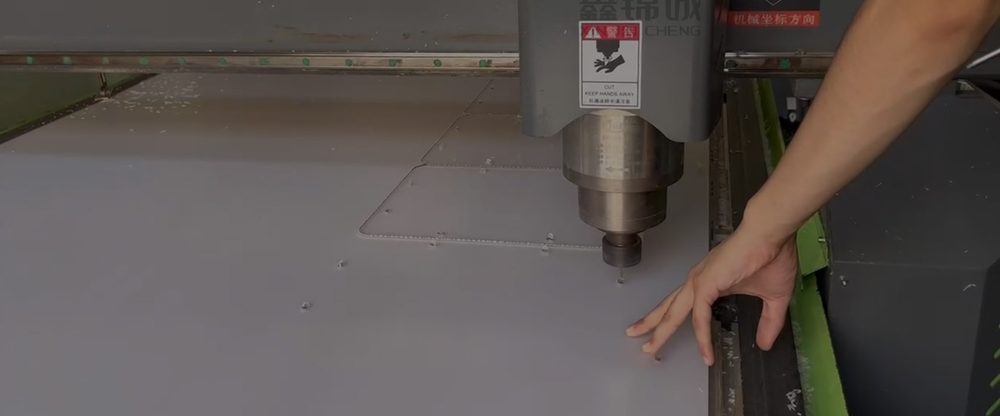
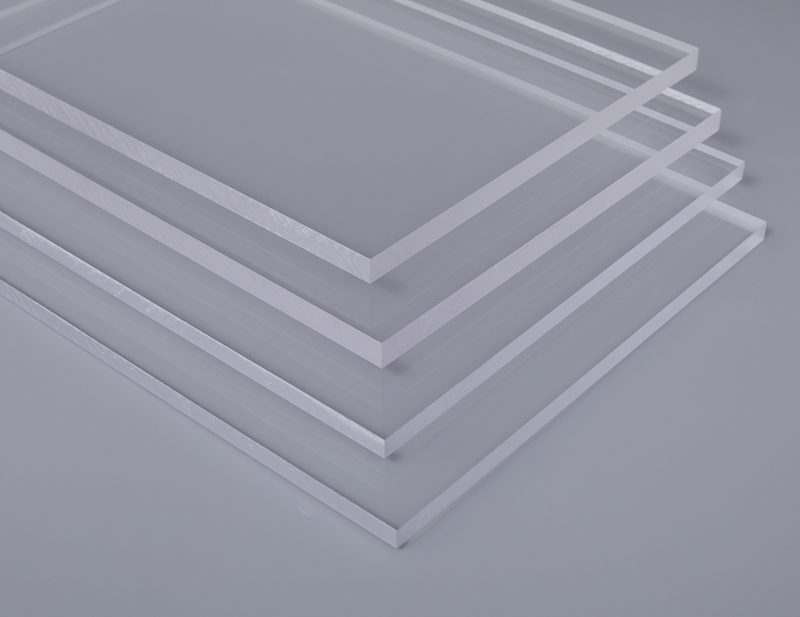
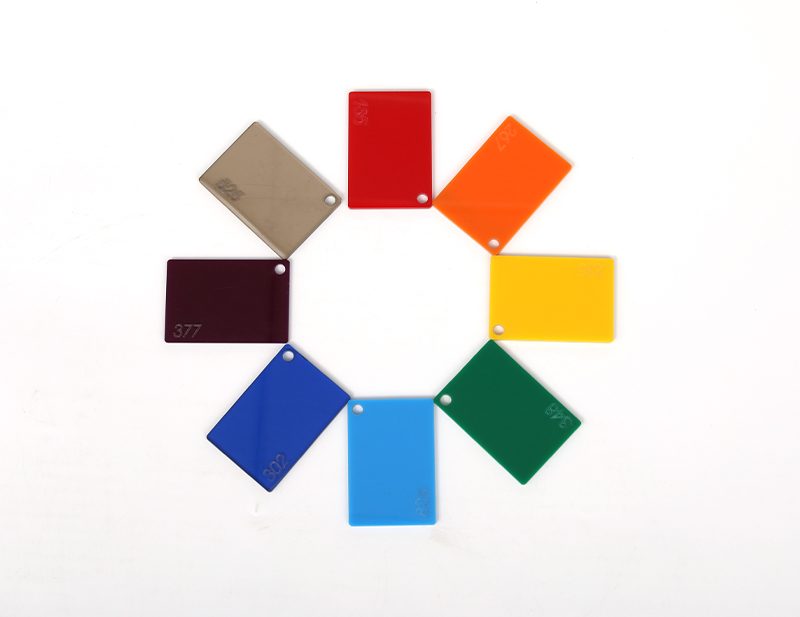
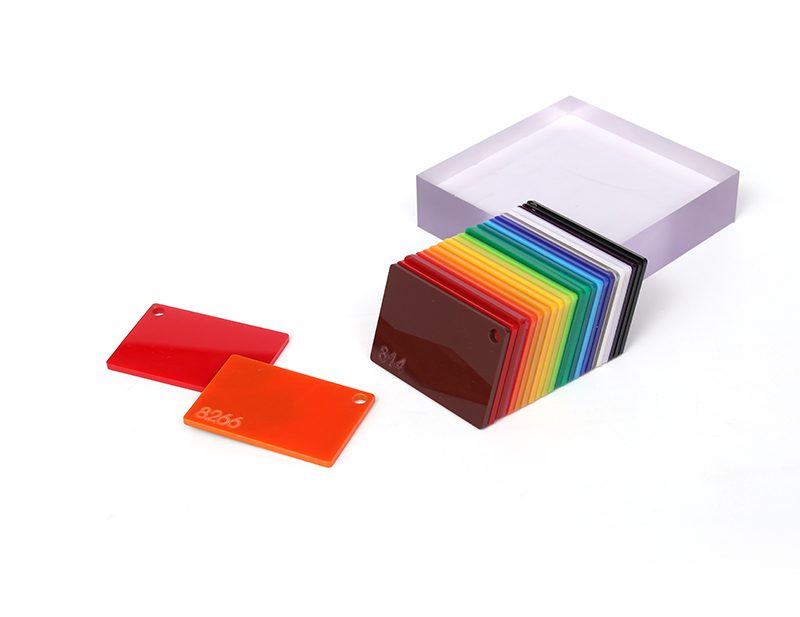

Images show the referenced product, process or application. Ask for a current production sample when colour, finish or fit must be approved.
Where to look next
Up to 92% light transmission — clearer than glass, half the weight, and it does not yellow.
Profiles, cut-outs, holes and engraving from your DXF, DWG or STEP files — 22 machines.
Sheet for the fabricators who build display cases, stands, shelving and shop fittings — cast for machining, extruded for laser…
Line bending, drape forming and 3D contour work — curves that would need tooling in other materials.
Start with a trial order
Thickness, size, colour, quantity — or just upload the drawing. We quote in USD on FOB, CIF or DDP terms, from 100 m² or 1 tonne. No full-container commitment required.