
Polycarbonate Sheet Manufacturer in China
Solid, multiwall or functional PC sheet made to your size. Compare the options and request a practical quote.
Polycarbonate and acrylic selection questions, PC guide links and order-specific evidence inputs.
Use this resource hub to define a polycarbonate sheet requirement and find the right guide or product page. Material choice, thickness and suitability depend on the offered grade and the complete assembly; this overview does not certify a product for an application.
State the intended use, span and supports, expected loads or impacts, indoor or outdoor exposure, appearance, fabrication, cleaning environment and any named fire or other compliance requirement. A buyer comparing PC with acrylic should use the same conditions and test method for both proposed grades.
Swipe the table sideways to see all columns →
| Decision to make | Input to collect | Evidence to ask for |
|---|---|---|
| Impact or guarding | Hazard, energy, panel size, fixings and required standard | Grade and assembly-specific test or engineering review |
| Roof or glazing | Span, support layout, loading, weather exposure and panel construction | System drawing, load basis and applicable grade data |
| LED lighting | LED pitch, cavity depth, target appearance and brightness | Quoted grade and sample tested in the intended fixture |
| Processing and care | Drawing, edge requirement, chemicals and cleaning procedure | Grade-specific fabrication and compatibility guidance |
Capture the full material-selection requirements, then use the linked PC construction, fire or optical worksheets below. Product pages identify grades to discuss with sales; a worksheet is not a test result.
PMMA is the polymer name for acrylic. Perspex and Plexiglas are trade names used for acrylic products; a brand name alone does not specify cast or extruded grade, thickness or tested performance. Polycarbonate is PC, but solid and multiwall PC are different constructions. Record the actual material, grade and construction in the RFQ rather than treating trade names as interchangeable specifications.
Send the grade or candidate construction, drawing, quantity, destination, target date and evidence requirement. Published MOQ and production windows are planning references; the written quotation confirms the applicable minimum, price and schedule for the selected PC specification. See MOQ, lead time and shipping for the commercial inputs.
Perspex is a brand name used for acrylic products, so the name alone does not identify a stronger material. Compare specified grades, construction, thickness and a relevant test before making a strength or safety decision.
Price depends on the proposed grade, thickness, quantity, processing and delivery term. Request like-for-like quotations and the evidence required for the application rather than choosing from a generic material price claim.
Do not transfer an acrylic bonding method to PC without checking the exact grade, adhesive, joint geometry and service conditions. Request the adhesive maker’s compatibility guidance and approve a trial joint when the bond is critical.
SinoPlastix holds original reports for commonly requested tests, and sales can provide applicable originals on request. Name the quoted grade, thickness, standard, revision and required batch document; confirm that each record covers the product and claim you need.
Request a quote MOQ & shipping
This page links to material-selection and fabrication guidance; it is not a dated public certificate library. If your approval needs a TDS, SDS, batch COA, test report or certificate, name the product, grade, standard and edition, language and required revision in the enquiry.
Ask which documents can be supplied before ordering and which records can accompany the shipment. A general method reference does not establish a certified result for a particular grade or batch. See quality control for the inspection route, then request the documents with your specification.
Use these worksheets to define a requirement or compare options. Product pages cover the sheet grades available to quote; the worksheets do not certify a grade for a particular application.
From the factory
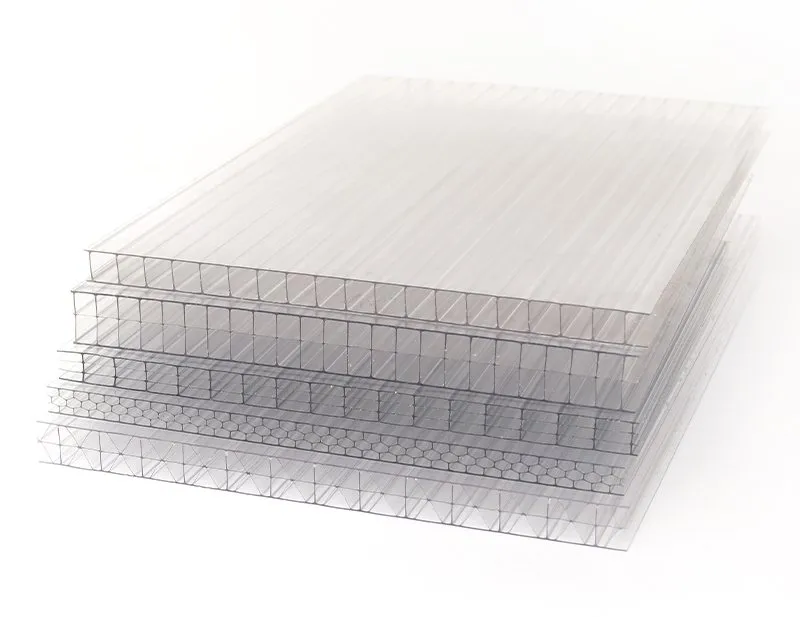
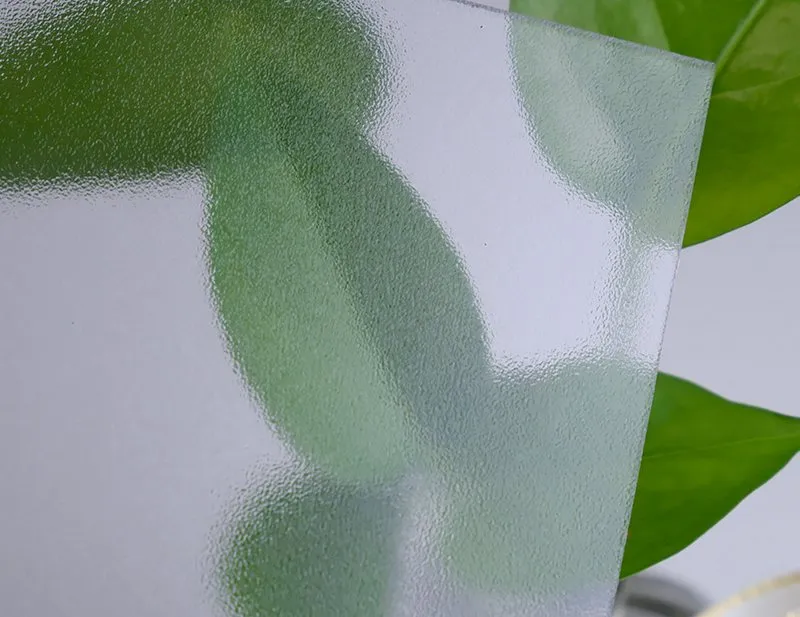
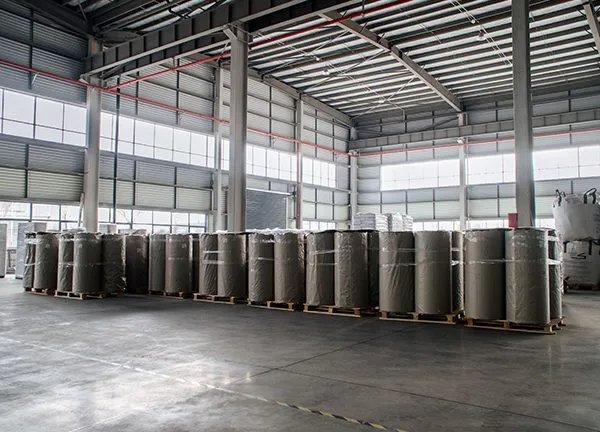
Images show the referenced product, process or application. Ask for a current production sample when colour, finish or fit must be approved.
Where to look next
Solid, multiwall or functional PC sheet made to your size. Compare the options and request a practical quote.
Cast and extruded acrylic — also sold as perspex or plexiglass — in clear, opal, frosted, coloured and mirror.
Request grade-specific test reports, batch records and inspection criteria before ordering.
Plan your PC sheet order: starting quantity, production windows and FOB, CIF or DDP choices. Get terms for your exact…
Start with a trial order
Send the grade, dimensions, quantity and destination, or upload a drawing. Your quote will show the applicable minimum, production window and FOB, CIF or DDP delivery basis.