
Flame Retardant Polycarbonate Sheet
Flame-retardant polycarbonate grades for specified uses; confirm classification, test method and smoke requirements for the offered sheet.
Custom PC sheet and CNC parts quoted from component drawings, electrical and fire criteria, and grade-matched report scope.
Need custom polycarbonate sheet or CNC parts for a battery cabinet, module enclosure or energy-storage equipment? Send SinoPlastix the component drawing and the exact electrical, fire and service criteria. We can quote the specified PC form and finished geometry, provide a first sample for fit and identify the original material reports relevant to the offered grade. The battery OEM or system integrator approves the finished component and system.
Send a component drawing for a quote View FR PC material routes
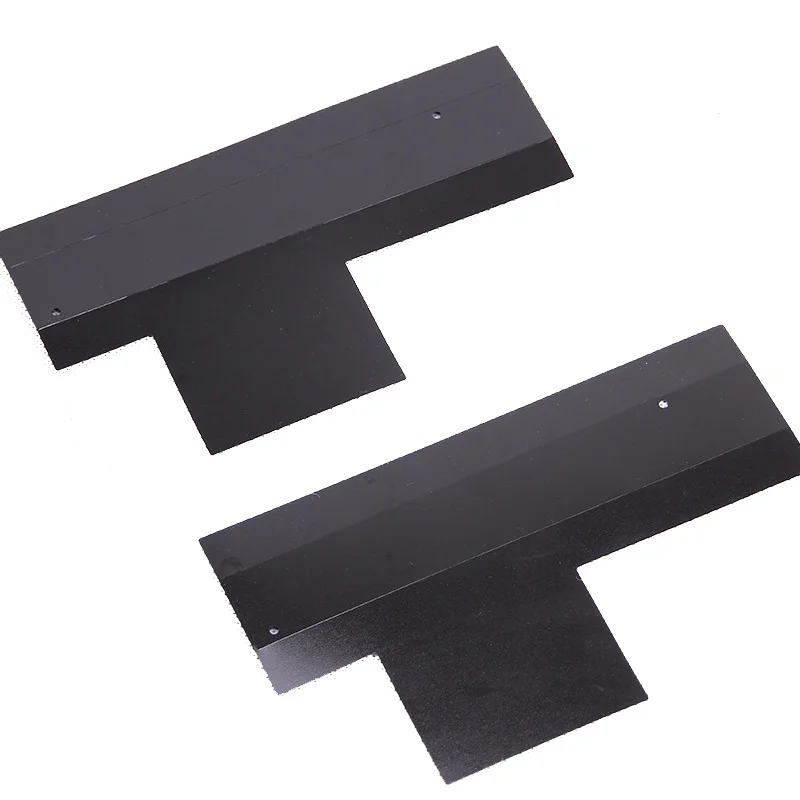
Where will the PC part sit: an equipment viewing window, a cabinet cover, a machined piece proposed for an electrical-isolation duty, or a protective panel around service access? Mark its position on the assembly drawing. A viewing cover raises visibility and cleaning questions; a part near live conductors needs specified dielectric evidence and controlled clearances; a service-access panel adds fixing and maintenance requirements. The same “FR PC” label does not resolve all three positions.
Swipe the table sideways to see all columns →
| Buyer decision | Give us | What the quote and approval should resolve |
|---|---|---|
| Electrical isolation | Operating voltage, clearance/creepage requirement, contact points and specified dielectric test | Grade-specific electrical report and finished-part geometry; the electrical designer approves the component |
| Fire behaviour | Required method and class, finished thickness, colour, orientation and nearby ignition source | Report for the offered material and specimen conditions; pack or cabinet fire assessment remains separate |
| Heat and fluids | Continuous/peak temperature, duration, coolant or cleaner names and concentrations | Material and sample review under the actual service conditions |
| Fit and manufacture | Drawing revision, datums, holes, slots, edge distances, protective-film face and quantity | First-sample dimensional checks, inspection points and written production scope |
These are representative starting configurations from SinoPlastix’s supplied PC range, not an inventory promise or a blanket fire classification. Tell us the exact drawing and project standard; the written offer identifies the grade, geometry and available report.
| Starting route | Listed source format | Useful enquiry |
|---|---|---|
| Black thin PC sheet/film | 0.76–2.5 mm; listed up to 1,300 × 6,000 mm; V-0 or V-2 grade routes by formulation and tested thickness | Thin cabinet covers or drawing-based insulating parts where black appearance and a named fire test are required |
| Transparent solid PC | 2.5–12.0 mm; listed up to 2,100 × 6,000 mm; V-0 or V-2 grade routes by formulation and tested thickness | Equipment windows or visible covers where view quality and the exact fire/electrical evidence matter |
One practical layout check for the black thin-sheet route: at representative PC density 1.20 g/cm³, a flat 300 × 200 × 1.0 mm piece is about 72 g before holes, coating and fasteners. This is a sheet-only mass estimate, not an electrical or fire result or a measured value for the quoted grade. If the drawing needs a different thickness, colour or size, send it for custom review.
UL Solutions describes UL 94 as plastics-material flammability testing with different classifications and specimen conditions. A V-0 or V-2 route must be checked at the specified grade and thickness; it does not establish battery-pack approval. If a project instead calls for glow-wire evidence, identify the applicable method and component requirement: IEC 60695-2-10:2021 describes the common glow-wire apparatus and procedure. Do not substitute one test name for the other in a purchase order.
An ESD or static-dissipative requirement is a separate electrical target, not a synonym for insulation. If both are requested, specify the intended circuit function and test for each surface/part; start with the ESD PC grade options only after the electrical designer confirms the need. For drawing-led fabrication, see PC CNC machining; for report requests, see testing and documentation.
Send the drawing, required standard and class, thickness, colour, quantity and end-use market. We will identify an offered PC grade and applicable original report before confirming the quotation. The battery OEM or system integrator evaluates the finished part and assembly against its fire requirements.
No. UL 94 describes a material specimen test under defined conditions. A battery pack or cabinet has separate component and system requirements. Check the grade and specimen thickness first, then have the system owner address any assembly-level test.
Send a revision-controlled DXF, DWG, STEP or dimensioned PDF, quantity, tolerances, critical inspection points and assembly location. Add the electrical, fire and environmental acceptance methods. Sales can provide applicable original material reports on request, and the written quotation states the offered part and record scope.
Where to look next
Flame-retardant polycarbonate grades for specified uses; confirm classification, test method and smoke requirements for the offered sheet.
ESD sheet specified by surface-resistance target and panel use — for electronics assembly and equipment windows.
Compare CNC routing and laser edge requirements for polycarbonate parts before sending a drawing for production review.
Agree the PC grade, inspection points, report scope and batch records for the quoted order.
Start with a trial order
Send the grade, dimensions, quantity and destination, or upload a drawing. Your quote will show the applicable minimum, production window and FOB, CIF or DDP delivery basis.