
Polycarbonate Sheet Manufacturer in China
Solid, multiwall and functional polycarbonate — extruded from virgin resin, 0.1 to 20 mm, up to 2100 mm wide.
Industry Applications
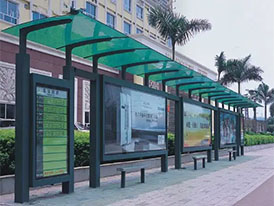
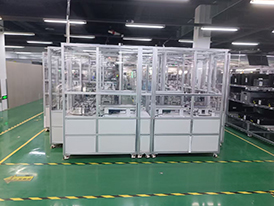
Used for EV charging stations, equipment guards, bus shelters, curtain walls, outdoor signs, daylight roofs, skylights and stadium barriers.

New Energy Vehicle Charging Stations
Equipment Protective Covers
Polycarbonate is our core material. We extrude it from virgin granules supplied by Covestro, SABIC and Mitsubishi Chemical, in thicknesses from 0.1 mm film through to 20 mm structural sheet, in widths up to 2100 mm.
The base sheet is the same on every line. What changes is what we do to it — surface texture, UV co-extrusion, fire-retardant compounding, light-diffusing additives, anti-static treatment or a hard coating. Those variants are listed below.
Specification
| Property | Specification |
|---|---|
| Thickness range | 0.1 mm – 20 mm |
| Widths | 1220 / 1560 / 1820 / 2100 mm (other widths made to order) |
| Length | 2440 mm standard; cut to any length within transport limits |
| Standard colours | Clear, opal white, green, blue, grey, brown; custom colours to order |
| Light transmission | Up to 90% (clear, 3 mm) |
| Service temperature | −40 °C to 120 °C, verified by national testing |
| Fire rating | Confirm the exact grade, fire-test classification and applicable smoke/toxicity report for the project |
| Sound reduction | Specify the acoustic test method and installed panel assembly; sheet thickness alone does not establish sound reduction |
| Ten-year light transmission | ≥ 85% retained (UV-protected grades) |
| Raw material | Virgin polycarbonate granules from Covestro, SABIC or Mitsubishi Chemical — no recycled content |
Structural grades
- Solid sheet — the general-purpose grade. Glazing, guarding, signage, security.
- Multiwall sheet — twin-wall, triple-wall and honeycomb. Lighter and better insulating, for roofing and greenhouses.
- Clear sheet — maximum optical clarity where the panel must disappear.
- Coloured sheet — tinted and solid colours, matched to your reference.
Surface and optical grades
- Frosted / matte — one or both faces, ≥ 88% light transmission.
- Textured — embossed patterns for privacy and glare control.
- LED diffuser — diffusion uniformity above 95%, for luminaires and backlit signage.
- Hard-coated — abrasion-resistant surface where cleaning cycles would dull plain PC.
Functional grades
- Flame retardant — B1 / V0 for rail, public interiors and machine guarding.
- ESD / anti-static — surface resistivity to your specification, for electronics and cleanrooms.
- Anti-fog — condensation-resistant for at least five years.
These six functional families were developed by our own polycarbonate research institute — six PhDs, 23 core patents — rather than bought in from a compounder.
Questions buyers ask
How thick should my polycarbonate sheet be?
For flat glazing and guarding, 3–6 mm covers most cases. Machine guards and security glazing typically run 6–12 mm. Roofing spans are decided by the support spacing, not by preference — send the span and load and we will specify the thickness.
Is polycarbonate UV stable?
Outdoor performance depends on the grade and its UV-protection system; resin stabilisation, a co-extruded layer or a suitable coating can be used. Our specified outdoor grades have UV protection on one or both faces, with a ≥ 85% light-transmission target at ten years under the applicable test conditions. Confirm the grade, protected face and weathering data for your exposure.
Can you match a specific colour?
Yes. Send a Pantone or RAL reference, or a physical sample. Custom colour runs take 15–20 days and are subject to the standard 100 m² / 1 tonne minimum.
Request a quote MOQ & shipping
Company-declared: SinoPlastix reports the research-team and patent statements appearing on this page; request the current patent list, owner and status before relying on the count.
Where a panel has to match an existing steel roofing profile rather than sit in a frame, it is formed rather than flat — see corrugated polycarbonate sheet, in nine profiles matched to steel roofing pitch and rib height.
Polycarbonate manufacturing route
Polycarbonate sheet manufacturer in China: match structure, surface and function
Start by matching the polycarbonate structure and surface to the application. Choose solid sheet where impact-resistant transparent panel stock is required, multiwall structure where the design depends on cavities and panel geometry, or a functional grade only after its target property and test method are defined.
Define the sheet before asking for a production slot
- Application, indoor or outdoor exposure, structure and support conditions.
- Grade, thickness, width, length, colour and surface requirements.
- Required standard, specimen or conditioning details and acceptable report format.
- Fabrication drawing, quantity, packing, destination and target delivery date.
The site states a 0.1–20 mm range for solid polycarbonate, but the quotation controls availability for the selected grade and dimensions. Review commercial variables on the trade-supply page, then submit the complete polycarbonate specification.
Need a finished polycarbonate part?
After selecting the sheet grade, if the purchase includes cutting, drilling or forming, review polycarbonate sheet fabrication; if critical profiles or holes are defined on a drawing, use polycarbonate CNC machining. Include the material grade, thickness, drawing revision, quantity and inspection requirements in the RFQ.
Where to look next
Related pages
Solid Polycarbonate Sheet
Solid polycarbonate for impact-resistant panels; select the grade, thickness and assembly against the required test.
Multiwall Polycarbonate Sheet
Twin-wall, triple-wall and honeycomb structures — lighter and warmer than solid sheet, for roofing and greenhouses.
Acrylic Sheet Manufacturer in China
Cast and extruded acrylic — also sold as perspex or plexiglass — in clear, opal, frosted, coloured and mirror.
Technical Resources
The decisions buyers get wrong most often — material choice, thickness, naming, cleaning and why panels fail.