
Choose between PC and PETG from the part you need to make. PETG is a worthwhile sample candidate for a formed display cover; PC is a candidate when impact, heat or guarding evidence drives the brief. The offered grade and finished assembly decide the result. SinoPlastix supplies solid PC sheet; PETG appears here as a comparison material, not a product offer.
Send a drawing for a PC option Prepare a material brief
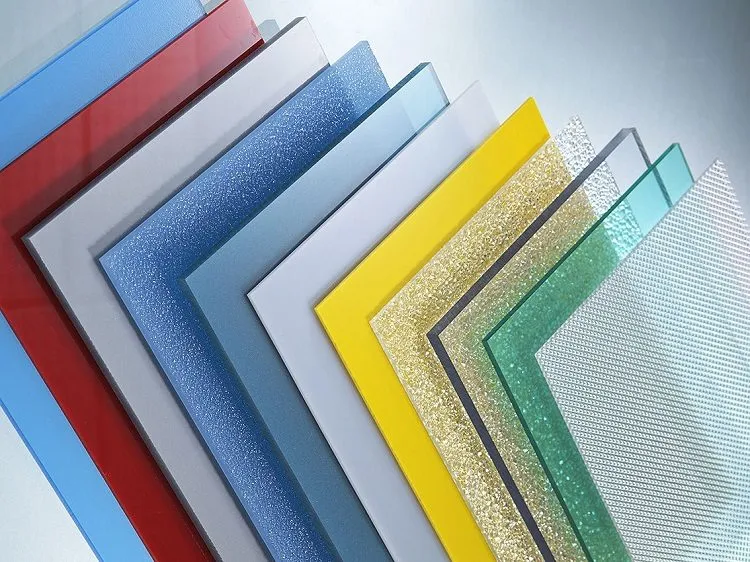
A buyer’s shortlist, by finished-part requirement
These are questions to decide which material merits a sample or quote; they are not universal rankings of every PC and PETG grade.
Swipe sideways to see all columns →
| Part requirement | PC route | PETG route to compare | Approval evidence |
|---|---|---|---|
| Thermoformed cover or enclosure | Ask for the offered PC grade’s drying, forming window, draw ratio, coating compatibility and finish trial. | Ask the PETG supplier for its grade-specific forming window, draw limit and finished-part appearance. | Drawing, mold geometry, minimum wall after forming and an accepted sample. |
| Impact screen or guard | Begin with a PC grade and the actual hazard, thickness, retention and required assembly test. | Only consider a PETG assembly with evidence against the same named requirement. | Test method, specimen/assembly, temperature, ageing and responsible risk review. |
| Heat near lights or equipment | Request heat-deflection or use-temperature data at the specified load for the exact PC grade. | Request the PETG grade’s data by the same method and load; check creep and dimensional stability in the part. | Operating and cleaning temperatures, load duration and measured sample fit. |
| Outdoor face | Specify UV-protected side(s), orientation, colour and weathering evidence. | Require evidence for an outdoor-rated PETG grade rather than assuming every clear sheet is suitable. | Exposure location, orientation, colour, coating and expected appearance criteria. |
| Contact with cleaners or regulated uses | Identify actual chemical concentration, contact time and any named approval for the exact PC grade and article. | Check the same conditions against the offered PETG grade and finished article. | Compatibility test or report for the actual agent and use; generic food/medical claims are insufficient. |
Published processing examples from named grades
Published guides illustrate why the two shop processes cannot simply share a machine setting. Plaskolite’s VIVAK PETG fabrication guide gives a typical vacuum-forming sheet temperature of 280–320°F (about 138–160°C). The POLYVANTIS LEXAN PC processing guide gives 170–225°C as the normal sheet range for mechanical and vacuum forming, with a thickness-dependent predrying table. These are two named manufacturers’ process references, not settings for every PETG or PC sheet or a promise for SinoPlastix’s custom grade. Confirm the quoted PC grade, coating, thickness, mold and trial conditions before production.
VIVAK’s typical physical properties table also reports a heat-deflection result of 157°F (about 69°C) at 264 psi under ASTM D648. This is not a paired test against the PC grade above or the service limit of all PETG. If heat is your decision point, ask for the proposed PC and PETG grades’ results under the same load and method plus the actual part’s load duration. A forming temperature is not a service-temperature rating.
Three routes from this comparison
- Need a PC sheet or CNC part: send thickness, size, quantity, drawing, holes and finish. We can quote custom PC machining and the exact offered grade.
- Need a formed PC part: include the mold or target geometry, minimum finished wall, optical expectation and first-article criteria. Discuss bending and forming before committing to a coating.
- PETG is already specified: obtain its named supplier datasheet and assess the same part requirements. SinoPlastix can propose a PC alternative for comparison; we do not quote PETG sheet.
What to send for a useful PC quotation
Share the finished-part drawing and revision, order quantity, sheet or final wall thickness, operating temperature and load, cleaners, indoor/outdoor exposure, impact consequence, coating or appearance target, destination and required report or standard. Common original test reports are available from sales on request. The written quotation confirms the custom PC specification, actual price and lead time; website averages are planning references.
Request a grade-specific PC quote How to request test documents
Questions buyers ask
Can I use the PETG forming setting for PC?
No. The cited VIVAK PETG and LEXAN PC guides publish different typical sheet-temperature ranges for vacuum forming. Drying, thickness, coating, mold and grade also affect the process. Use the offered PC grade’s processing instructions and a trial.
Is one material always better for an impact screen?
No material name alone approves an impact screen. Define the hazard, test method, mounted opening, retention and temperature; then compare the exact grade and complete assembly against that requirement.
Does SinoPlastix sell PETG?
This page uses PETG as a comparison material. SinoPlastix quotes custom polycarbonate sheet and fabricated PC parts. Send your PETG specification and application if you want us to evaluate a PC alternative.