
Acrylic CNC Machining and Laser Options
Machined PMMA features, edge finish and material-compatible laser options.
Choose cast or extruded PMMA, then specify the cut, formed and finished part.
Acrylic fabrication starts with a choice that affects the workshop: cast or extruded PMMA, plus the required colour, thickness and face finish. SinoPlastix supplies and processes sheet from its Jiangsu facility for display, signage and fitted-panel buyers. This page covers material selection, cutting, drilling, forming and edge preparation; detailed milled features belong on acrylic CNC machining.
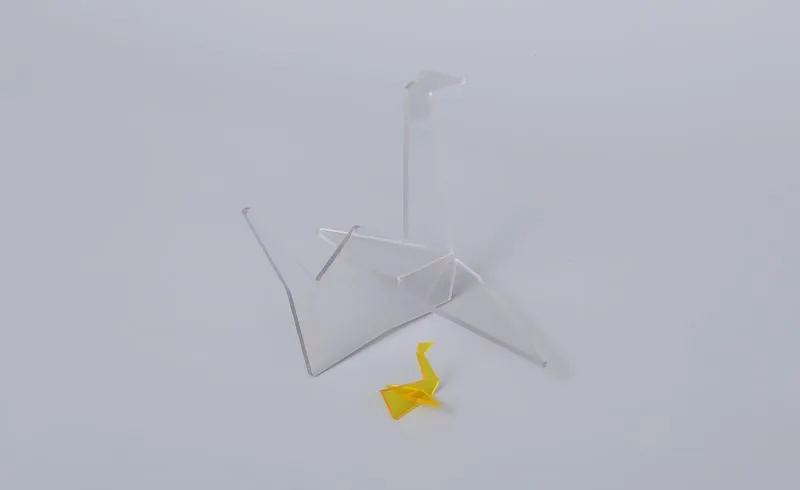
Cast acrylic is a useful starting point for machining and visible finished edges. Extruded sheet may suit other forming or repeat-size requirements. Colour, thickness, protective film and the final lighting or viewing condition all influence the decision. If the part must be bonded or polished, show which edges remain visible and ask for a sample using the actual grade rather than approving a generic clear-sheet photograph.
For panels, send a cut list or nested drawings; for shaped parts, identify holes, notches, bend lines, assembly interfaces and the preferred edge finish. SinoPlastix’s public process list includes cutting, drilling, CNC routing, bending/thermoforming, polishing, printing and material-compatible laser work. These are selectable operations, not a promise that every operation suits every acrylic grade or thickness. Drilling and routing need adequate edge distance and support to reduce cracking. Heating, bonding and polishing can introduce stress or alter appearance, so approval samples are appropriate for exposed parts.
Acrylic is not an impact substitute for polycarbonate. If breakage is a safety concern, compare the two materials in the material selection guide before fixing a specification. For unshaped rectangles, use cut-to-size rather than a custom fabrication quote.
Agree dimensions, appearance of visible edges, film condition and any colour reference on the approved drawing or sample. A CNC tolerance may reach ±0.1 mm after material and geometry review; it should not be copied onto a formed or polished feature without a separate acceptance method. Ask for material/batch documents and agreed first-article checks through the quality-control workflow.
From the factory
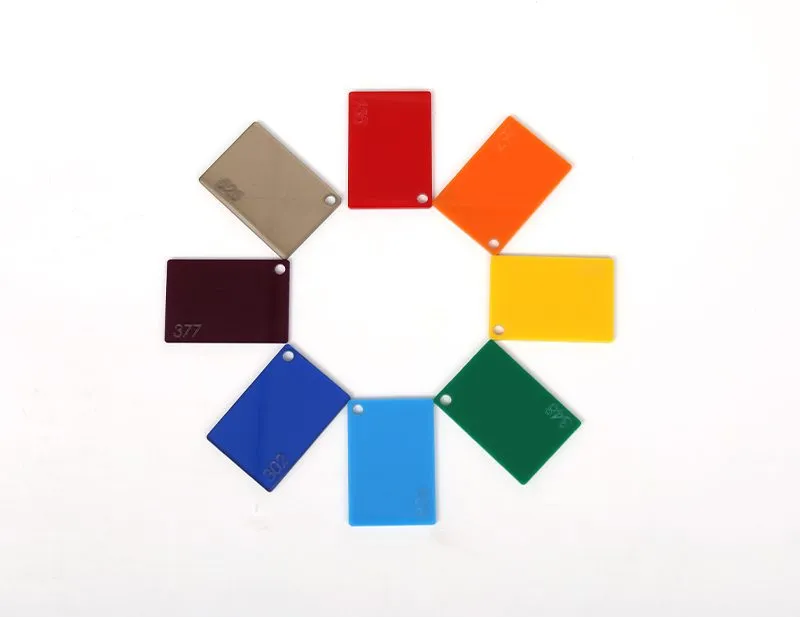
Images show the referenced product, process or application. Ask for a current production sample when colour, finish or fit must be approved.
Where to look next
Machined PMMA features, edge finish and material-compatible laser options.
The fabricator’s grade — machines cleanly, engraves sharply, flame-polishes to an optical edge.
Polycarbonate bends and formed parts to drawing. Compare the forming routes, appearance and fit requirements before you commit to tooling.
Factory-cut panels to the finished dimensions in your approved drawing; nesting and tolerance are quoted per order.
Start with a trial order
Send the grade, dimensions, quantity and destination, or upload a drawing. Your quote will show the applicable minimum, production window and FOB, CIF or DDP delivery basis.