
Polycarbonate vs Acrylic: Which Sheet Fits Your Project?
Compare PC and acrylic by impact brief, finish, cleaning, outdoor use and fabrication; weight is rarely the deciding factor.
Choose polycarbonate when impact and breakage risk dominate; choose acrylic when a polished display edge and surface appearance lead the brief. For most same-thickness solid-sheet purchases, weight is a poor tie-breaker: representative PC and cast PMMA densities are nearly the same. Compare the offered grades and actual fabrication route, then approve the complete panel and fixing detail.
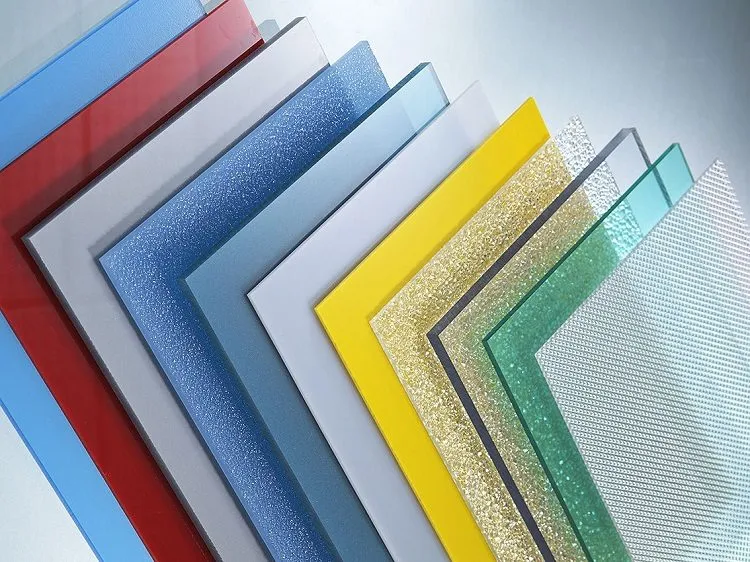
The photograph shows a SinoPlastix PC sample range only. Colour and lighting in an image cannot prove impact, optical or weathering performance.
Send my drawing for a PC recommendation
Polycarbonate vs acrylic: what changes the decision?
| Buyer requirement | Polycarbonate starting point | Acrylic starting point | Evidence to request |
|---|---|---|---|
| Impact or breakage risk | Usually screen first; grade, thickness, support and test method still matter. | More brittle in a comparable unmodified sheet; impact-modified grades may differ. | Grade-specific impact method, specimen, temperature and the installed assembly design. |
| Scratch and cleaning exposure | Uncoated PC is generally easier to scratch; a hard coat can change the result. | Uncoated acrylic generally has better inherent surface hardness; coatings also exist. | Abrasion method, coating specification, cleaner compatibility and sample after cleaning. |
| Outdoor UV and appearance | Specify the UV-protected side or sides, installation orientation and weathering evidence. | PMMA has good inherent UV weatherability, but colour and grade still affect appearance. | Offered grade, exposure, colour, optical method and relevant weathering report. |
| Machined or visible edge | CNC routing is a common route; laser cutting needs a grade- and drawing-specific edge-stress review. | Cast PMMA is often selected for machined and polished edges; laser may suit compatible grades. | Actual material sample, edge finish, geometry, drawing and first-article acceptance. |
| Roof or guarding system | Impact capability can be useful, but span, frame and load must be engineered. | Consider only where project code, loads and impact assessment permit the specific PMMA assembly. | Project load/threat, support and fixings, grade-specific test and responsible engineer approval. |
Numbers that change the shortlist — and one that usually does not
Representative solid PC density is 1.20 g/cm³ on the SinoPlastix solid PC product page. A published Perspex cast PMMA technical data sheet gives 1.19 g/cm³ under ISO 1183. At nominal 6 mm, that calculates to about 7.20 kg/m² for PC and 7.14 kg/m² for cast PMMA before frames or packaging — only 0.06 kg/m² apart. These are representative material calculations, not weighed SinoPlastix production lots or a claim that different grades have equal impact performance.
The more useful comparison is the required test and use condition. For impact, ask for the offered grade’s named method, specimen thickness and temperature. For a clear display, compare transmission and haze at a specified thickness and finish, then inspect physical samples. For a part with holes and polished visible edges, quote the actual finished part, not just a raw sheet.
A practical shortlisting route
- Guard or impact screen: start with a specified solid PC grade, then review opening size, retention, hazard and required assembly standard. A material label cannot certify a guard.
- Frequently cleaned, high-visibility surface: compare hard-coated PC with the requested PMMA finish on cleaning wear and appearance samples.
- Outdoor panel: compare actual UV package, protected-side orientation, colour, fixings and weathering conditions rather than a generic “UV resistant” badge.
Three decisions that a material name cannot make
1. The grade and construction. Solid PC, multiwall PC, cast acrylic and extruded acrylic are not interchangeable. An anti-scratch coating, UV layer, flame-retardant formulation or impact-modified PMMA can change the selection. Start with the polycarbonate sheet range and acrylic sheet range, then ask for the exact offered datasheet.
2. The installed assembly. A material coupon result does not rate a roof, machine guard or security window. Span, support, holes, fasteners, temperature, cleaning and service life belong in the design review. A ballistic or manual-attack class follows a tested assembly and standard, not a generic sheet thickness; see the ballistic-claim evidence guide.
3. The fabrication route. A rectangle may only need cut-to-size. Parts with holes, profiles or critical fit features need drawing-specific review through PC CNC machining or acrylic CNC machining. Formed parts need their own bend-radius, tooling and appearance checks.
Quote-ready comparison inputs
- Application, indoor/outdoor exposure, impact or breakage consequence, cleaning chemicals and desired viewing condition.
- Candidate grade, thickness, colour, coating or UV-face orientation, finished size and quantity.
- Panel support, holes, critical dimensions, forming or edge finish, and drawing revision.
- Named test standard, edition, specimen conditions and report scope where certification matters.
- Packaging, destination and target date.
For a narrower discussion of ballistic-grade constructions only, see the Plaskolite comparison; it does not certify a SinoPlastix grade or your finished assembly. Request exact offered-grade data and common original test reports from sales as needed. The written custom quotation determines final price and lead time; website averages are planning references.
Compare PC grades for my application Prepare a material brief
Questions buyers ask
Is acrylic much lighter than solid polycarbonate?
Usually no at equal nominal thickness. The representative density example above gives 7.20 versus 7.14 kg/m² at 6 mm, before frames. Check the exact quoted grades and dimensions for an order.
Can a hard coat make PC suitable for frequent cleaning?
A specified hard coat can improve abrasion performance, but cleaners, coating grade and cleaning method still matter. Request the offered coating data and an appearance sample for your use condition.
What should I send for a material recommendation?
Send the use case, panel drawing and quantity, indoor or outdoor exposure, impact consequence, cleaning method, required clarity, edge finish, support detail and any named test standard. SinoPlastix can return a grade-specific PC option and written quote.